
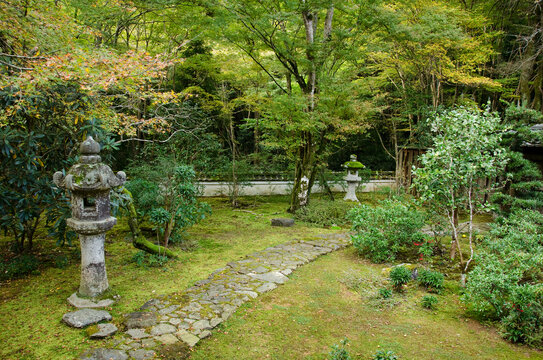
The Appeal of Rock Gardens
Rock gardens showcase tough, low-growing plants in a setting that mimics mountain environments. They're perfect for slopes, dry areas, or anywhere you want low-maintenance beauty with year-round interest.
Site Selection
- Choose a spot with excellent drainage
- Slopes are ideal—water runs off naturally
- Full sun suits most rock garden plants
- Avoid areas where water collects
Building the Foundation
- Remove existing vegetation and amend soil for drainage
- Add gravel or sand to heavy clay soil
- Position largest rocks first, burying 1/3 to 1/2 in soil
- Create pockets between rocks for planting
- Top-dress with gravel to keep crowns dry
Classic Rock Garden Plants
- Creeping phlox: Carpet of spring color
- Sedums: Succulent foliage, drought-proof
- Sempervivums: Hen and chicks in endless varieties
- Dianthus: Fragrant, heat-tolerant
- Aubrieta: Cascades of purple spring flowers
- Thyme: Fragrant, low-growing, attracts bees
- Ice plant: Brilliant flowers, extremely drought-tolerant
Design Principles
- Use rocks of consistent type for natural appearance
- Position rocks to appear as natural outcroppings
- Create different microclimates with rock placement
- Allow plants to soften rock edges
- Leave some bare rock for visual rest
Maintenance
Rock gardens are low-maintenance once established:
- Weed regularly while plants establish
- Water deeply but infrequently
- Remove dead foliage in spring
- Divide overcrowded plants every few years
- Top up gravel mulch as needed

💬 Comments
0 commentsNo comments yet. Be the first to share your thoughts!
Leave a Comment
Share your thoughts, questions, or tips with our gardening community.