
The Cottage Garden Aesthetic
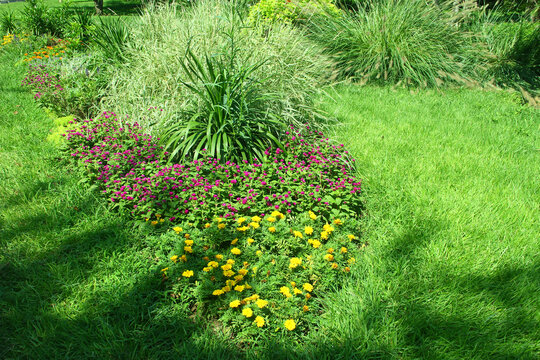
Cottage gardens evoke romance with their seemingly casual abundance. Plants spill over paths, colors mix freely, and flowers grow together in beautiful chaos. Achieving this look requires thought, but the effect appears effortless.
Key Design Elements
- Repetition: Use the same plants throughout for cohesion
- Height variation: Layer tall plants behind shorter ones
- Soft edges: Allow plants to overflow boundaries
- Mixed plantings: Combine annuals, perennials, and shrubs
- Structural elements: Arbors, fences, or paths define spaces
Classic Cottage Garden Plants
- Roses—especially old garden varieties and climbers
- Delphiniums—tall spires of blue or pink
- Foxgloves—vertical accents that self-seed
- Hollyhocks—quintessential cottage garden flowers
- Sweet peas—fragrant annual climbers
- Lavender—fragrance and structure
- Peonies—luxurious late-spring blooms
Creating the Framework
- Define paths with brick, stone, or gravel
- Install structures like arbors or tuteurs for climbers
- Plant an anchor shrub or rose in key positions
- Edge beds with low perennials like catmint or lady's mantle
- Fill in with a mix of textures and heights
Color in the Cottage Garden
Traditional cottage gardens use a soft, harmonious palette:
- Pinks, purples, blues, and whites create a serene feel
- Add touches of warm colors for energy
- Silver foliage (lamb's ear, artemisia) ties colors together
- White flowers glow in evening light
Maintaining the Look
Cottage gardens need regular attention:
- Stake tall perennials before they flop
- Deadhead to extend blooming
- Edit ruthlessly—remove self-sowers that take over
- Divide perennials to maintain vigor

💬 Comments
1 commentJust what I needed to start my cottage garden project. Love the plant suggestions!
Leave a Comment
Share your thoughts, questions, or tips with our gardening community.