Why Pollinators Matter
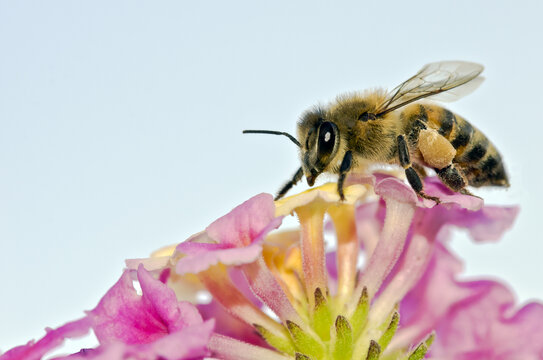
Bees, butterflies, hummingbirds, and other pollinators are essential for healthy ecosystems and food production. By creating a pollinator-friendly garden, you're not just enjoying beautiful flowers—you're supporting vital wildlife.
Key Principles for Pollinator Gardens
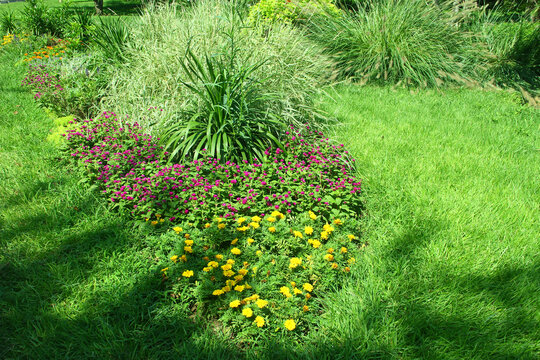
- Plant in masses: Groups of the same plant are easier for pollinators to find
- Choose diverse bloom times: Provide flowers from early spring through fall
- Include native plants: Local pollinators evolved with native flowers
- Provide varied flower shapes: Different pollinators prefer different flower types
Flowers for Bees
Bees are attracted to blue, purple, and yellow flowers:
- Lavender—both flowers and foliage are fragrant
- Salvia—long bloom season, many species available
- Borage—easy annual with cucumber-flavored leaves
- Sunflowers—provide both nectar and seeds
- Asters—crucial fall food source
Flowers for Butterflies
Butterflies need both nectar plants and host plants for caterpillars:
- Butterfly bush—though consider native alternatives
- Coneflowers—easy care and long-blooming
- Milkweed—essential for monarch butterflies
- Lantana—tropical colors and heat tolerance
- Verbena—low-growing and floriferous
Creating Habitat
Beyond flowers, pollinators need:
- Shallow water sources with landing spots
- Sheltered areas from wind and predators
- Bare soil patches for ground-nesting bees
- Brush piles or bee houses for nesting sites
What to Avoid
To create a truly pollinator-friendly space:
- Minimize or eliminate broad-spectrum treatments
- Choose single flowers over heavily doubled varieties (doubles often lack accessible nectar)
- Avoid removing all "weeds"—dandelions and clover are valuable early food sources
💬 Comments
1 commentThank you for including information about native plants. Our local bees definitely prefer them!
Leave a Comment
Share your thoughts, questions, or tips with our gardening community.