
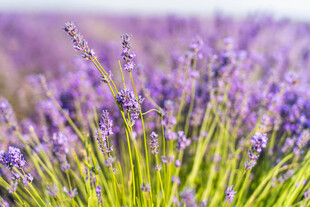
The Appeal of Lavender
Lavender brings fragrance, beauty, and pollinator appeal to any garden. Once established, it's remarkably drought-tolerant and low-maintenance. The key is providing the right conditions from the start.
Choosing Your Variety
- English lavender (L. angustifolia): Most cold-hardy, best fragrance for sachets
- French lavender (L. dentata): Distinctive toothed leaves, less cold-hardy
- Spanish lavender (L. stoechas): Unique "rabbit ear" bracts, needs good drainage
- Lavandin (L. x intermedia): Hybrid, more heat-tolerant, great for oil
Essential Growing Conditions
Lavender failures usually come from:
- Poor drainage: The #1 killer—lavender roots rot in wet soil
- Too much shade: Needs full sun (6+ hours)
- Rich soil: Prefers lean, slightly alkaline conditions
- Overcrowding: Needs good air circulation
Planting Tips
- Amend heavy soil with gravel or sand for drainage
- Add lime if soil is acidic
- Plant slightly high to ensure drainage away from crown
- Space 12-18 inches apart depending on variety
- Mulch with gravel rather than organic mulch
Pruning for Longevity
Regular pruning keeps lavender compact and productive:
- After flowering, trim back by one-third
- Never cut into old, woody growth—it won't regrow
- In spring, shape lightly as new growth appears
- Replace plants that become woody and sparse (every 5-7 years)
Harvesting
For strongest fragrance, harvest when buds are colored but before fully open. Cut in morning after dew dries. Bundle stems and hang upside down in a dark, dry location to dry.
💬 Comments
0 commentsNo comments yet. Be the first to share your thoughts!
Leave a Comment
Share your thoughts, questions, or tips with our gardening community.