
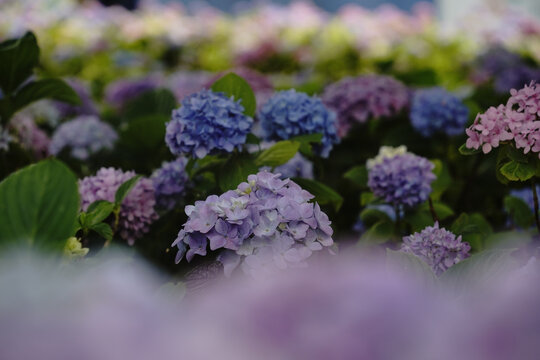
Hydrangea Varieties
Understanding which type of hydrangea you have is essential for proper care:
- Bigleaf (H. macrophylla): Classic mophead and lacecap types, color changes with soil pH
- Panicle (H. paniculata): Cone-shaped flower heads, very cold-hardy
- Smooth (H. arborescens): Including 'Annabelle', native and shade-tolerant
- Oakleaf (H. quercifolia): Beautiful fall foliage, prefers some shade
Growing Conditions
Most hydrangeas prefer morning sun with afternoon shade, especially in hot climates. They need consistent moisture but won't tolerate waterlogged soil. A 2-3 inch layer of mulch helps retain moisture and keep roots cool.
Watering Needs
Hydrangeas are thirsty plants, especially in summer:
- Water deeply 2-3 times per week during dry spells
- Water at the base to keep foliage dry
- Wilting in afternoon heat is normal—check soil before watering
- Container hydrangeas may need daily watering
Pruning by Type
Wrong pruning is the most common reason for no blooms:
- Bigleaf types: Only remove dead stems; they bloom on old wood
- Panicle and smooth types: Prune in late winter; they bloom on new wood
- Reblooming varieties: Light pruning anytime; they bloom on both old and new wood
Changing Flower Color
Only bigleaf hydrangeas can change color based on soil pH:
- Acidic soil (pH below 6) produces blue flowers
- Alkaline soil (pH above 7) produces pink flowers
- White hydrangeas remain white regardless of pH
Soil Amendment Note
Changing soil pH is a gradual process that requires careful monitoring. Consult local experts about safe methods and appropriate products for your specific soil type and growing conditions.
💬 Comments
1 commentThe pruning section cleared up so much confusion! I finally know why my bigleaf wasn't blooming.
Leave a Comment
Share your thoughts, questions, or tips with our gardening community.