
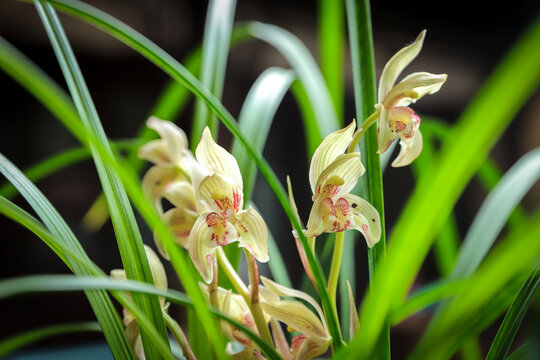
Understanding Orchid Basics
Orchids have a reputation for being difficult, but with the right knowledge, they're surprisingly adaptable houseplants. Most common orchids sold in stores are Phalaenopsis (moth orchids), which are among the easiest to grow indoors.
Light Requirements
Orchids need bright, indirect light. An east or west-facing window is ideal. Direct afternoon sun can burn leaves, while insufficient light prevents blooming. Look for medium green leaves—dark green indicates too little light, reddish tones suggest too much.
Watering Your Orchid
The most common mistake is overwatering. Orchid roots need air circulation and should dry slightly between waterings. Water thoroughly when the potting medium feels dry about an inch down, typically every 7-10 days.
- Water in the morning so leaves dry by evening
- Use room-temperature water
- Avoid letting water sit in the crown
- Empty decorative pots after watering to prevent root rot
Humidity and Temperature
Orchids appreciate humidity levels of 40-70%. Boost humidity by placing plants on a pebble tray filled with water, grouping plants together, or using a humidifier. Most orchids prefer daytime temperatures of 65-80°F and a slight drop at night.
Encouraging Reblooming
After flowers fade, you can cut the spike above a node to encourage a secondary bloom, or cut it at the base to allow the plant to focus on leaf and root growth. A temperature drop of 10-15°F for several weeks can trigger new spike development.
Repotting Basics
Repot every 1-2 years or when the potting medium breaks down. Use orchid-specific bark mix and a pot with drainage holes. The best time to repot is after flowering when new roots are emerging.


💬 Comments
1 commentFinally understand why my orchid stopped blooming! Going to try the temperature drop method.
Leave a Comment
Share your thoughts, questions, or tips with our gardening community.