The Art of Propagation
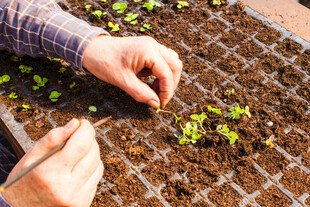
Propagation allows you to create new plants from existing ones—expanding your garden without spending money, sharing favorites with friends, and preserving cherished varieties.
Division: The Easiest Method
Many perennials benefit from regular division, which keeps plants vigorous and provides new plants:
- Best candidates: Hostas, daylilies, irises, asters, phlox
- Timing: Early spring or fall when plants are dormant
- Method: Dig entire clump, separate into sections with roots attached, replant immediately
Stem Cuttings
Many flowers root easily from stem cuttings:
- Take 4-6 inch cuttings from healthy, non-flowering stems
- Remove lower leaves and dip cut end in rooting hormone
- Insert in moist potting mix or perlite
- Cover with plastic to maintain humidity
- Keep in bright, indirect light until roots develop
Layering
For plants that are difficult to root from cuttings, layering keeps the stem attached to the parent plant while roots form:
- Bend a flexible stem to touch the ground
- Wound the underside slightly and dust with rooting hormone
- Bury the wounded section, leaving the tip exposed
- Anchor with a wire pin or stone
- Separate from parent once roots establish
Collecting Seeds
Allow some flowers to go to seed for free plants next year. Collect seed pods when dry, store in labeled envelopes in a cool, dark place. Note that hybrid varieties may not come true from seed.
Success Tips
- Always use clean, sharp tools
- Work quickly to prevent moisture loss
- Label everything—you'll forget what's what!
- Be patient—some plants root quickly, others take months
💬 Comments
0 commentsNo comments yet. Be the first to share your thoughts!
Leave a Comment
Share your thoughts, questions, or tips with our gardening community.