The Joy of Container Gardening
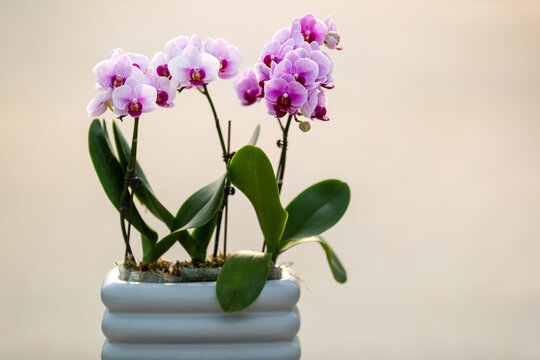
Container gardening opens up possibilities for everyone, regardless of space constraints. A sunny balcony, small patio, or even a bright windowsill can become a thriving flower garden with the right approach.
Choosing Containers
Almost anything can become a planter if it has drainage holes:
- Traditional terracotta—classic and breathable, but dries quickly
- Glazed ceramic—retains moisture better, many decorative options
- Plastic and resin—lightweight, inexpensive, good moisture retention
- Self-watering containers—excellent for consistent moisture
- Repurposed items—get creative with vintage finds!
The Perfect Potting Mix
Never use garden soil in containers—it compacts and drains poorly. Use quality potting mix designed for containers. For moisture-loving plants, add water-retaining crystals; for succulents and cacti, add extra perlite for drainage.
Designing with the Thriller-Filler-Spiller Method
- Thriller: A tall, eye-catching centerpiece (ornamental grass, canna, upright geranium)
- Filler: Medium-height plants that add fullness (petunias, impatiens, coleus)
- Spiller: Trailing plants that cascade over edges (sweet potato vine, calibrachoa, bacopa)
Container Care Essentials
Containers dry out faster than garden beds and have limited nutrients. Plan to:
- Check soil moisture daily during hot weather
- Water until it drains from the bottom
- Feed with diluted liquid fertilizer every 1-2 weeks during active growth
- Deadhead regularly to keep plants blooming
Seasonal Transitions
One advantage of containers is easy seasonal updates. Swap cool-season pansies and violas for summer petunias, then transition to ornamental cabbage and mums for fall color.
💬 Comments
0 commentsNo comments yet. Be the first to share your thoughts!
Leave a Comment
Share your thoughts, questions, or tips with our gardening community.