
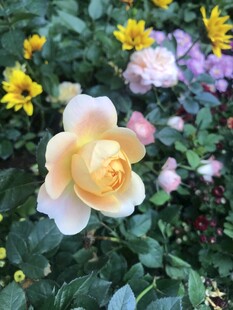
Introduction to Rose Gardening
Roses have captivated gardeners for centuries with their timeless beauty and intoxicating fragrance. Whether you're dreaming of a cottage garden filled with climbing roses or a modern landscape with elegant hybrid teas, this guide will help you get started on your rose-growing journey.
Choosing the Right Roses for Your Garden
Before purchasing your first rose bush, consider your climate, available space, and desired maintenance level. Here are the main categories:
- Hybrid Tea Roses: Classic long-stemmed beauties, perfect for cutting gardens
- Floribunda Roses: Clusters of blooms that provide continuous color
- Shrub Roses: Hardy and disease-resistant, ideal for beginners
- Climbing Roses: Perfect for trellises, arbors, and fences
- Groundcover Roses: Low-maintenance options for slopes and borders
Site Selection and Soil Preparation
Roses thrive in locations that receive at least 6 hours of direct sunlight daily. Good air circulation helps prevent fungal diseases, so avoid planting too close to walls or dense shrubs.
Prepare your soil by incorporating organic matter such as compost or well-rotted manure. Roses prefer slightly acidic to neutral soil (pH 6.0-7.0) with excellent drainage.
Planting Your Roses
The best time to plant bare-root roses is during dormancy (late winter to early spring), while container-grown roses can be planted throughout the growing season.
- Dig a hole twice as wide as the root ball and just as deep
- Create a small mound at the bottom for bare-root roses
- Position the graft union at or slightly above soil level (depending on your climate)
- Backfill with amended soil, water thoroughly, and mulch
Watering and Feeding
Consistent watering is essential for healthy roses. Water deeply at the base of the plant, avoiding wetting the foliage. Most roses need about 1-2 inches of water per week.
Feed your roses with a balanced fertilizer in spring when new growth appears, and continue monthly through the growing season. Stop fertilizing 6-8 weeks before your first expected frost.
Basic Rose Care Tips
- Mulch around plants to retain moisture and regulate soil temperature
- Deadhead spent blooms to encourage repeat flowering
- Monitor for common issues and address them promptly
- Prune in late winter or early spring to shape plants and remove dead wood
Important Note on Plant Health
If you notice signs of plant stress or disease, consider consulting with your local garden center or cooperative extension service for region-specific guidance. Environmental conditions vary greatly, and professional advice can help you make informed decisions for your specific situation.

💬 Comments
2 commentsThis guide was incredibly helpful for my first rose garden! The section on soil preparation really made a difference.
I appreciate how thorough this is without being overwhelming. Starting with shrub roses as recommended!
Leave a Comment
Share your thoughts, questions, or tips with our gardening community.